Introduction
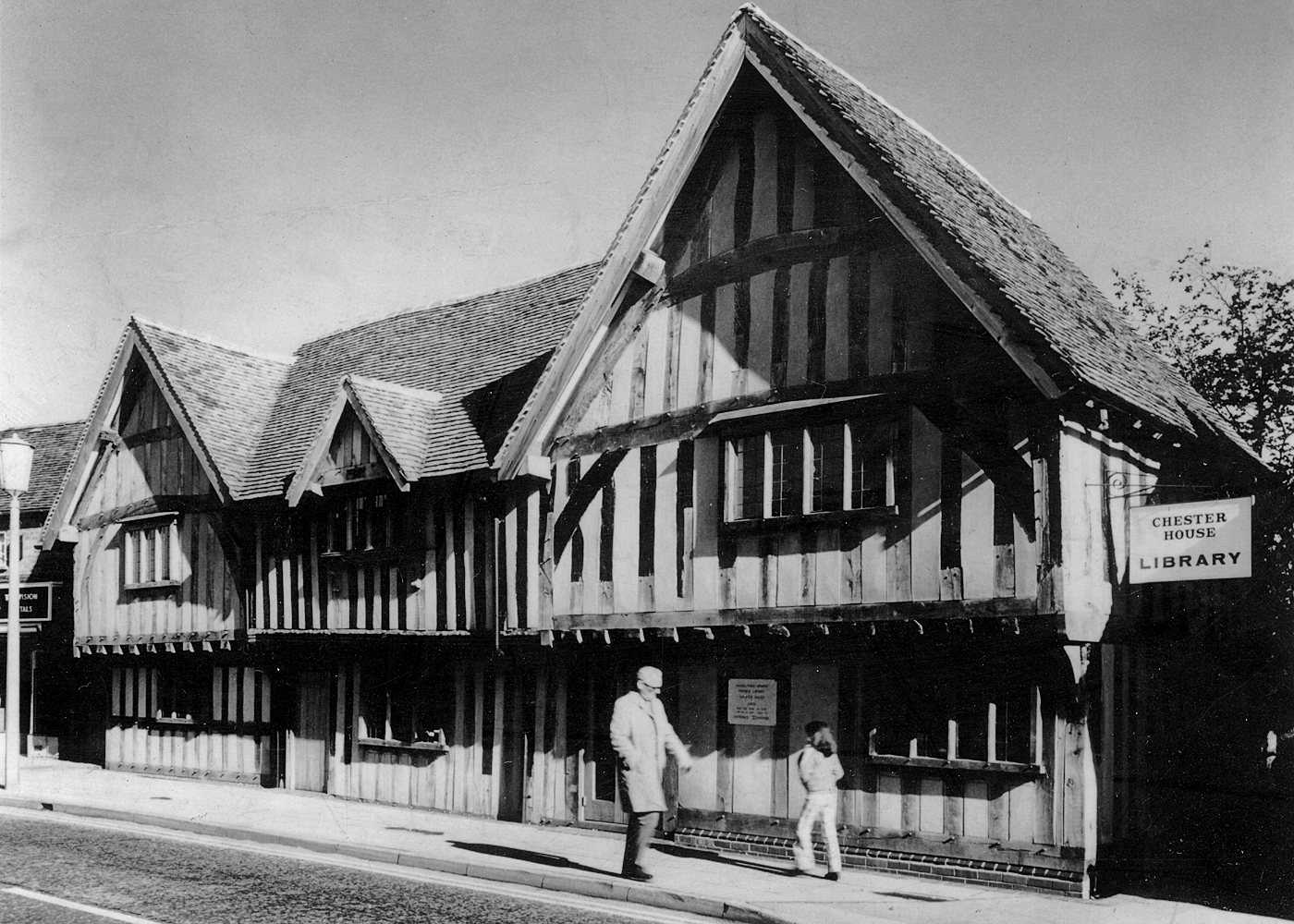
Chester House is the oldest building on the High Street and was originally two separate properties. The south wing dates from the 1400s and the north wing from the 1500s. The two properties were joined together in the 16th century by what is now the central frontage of the building. The name Chester House first appeared in the 1881, but its origin is a mystery.
Appearance
The cream coloured rendering was removed at the beginning of the 20th century to reveal the timber and the distinctive timber framework.
Uses
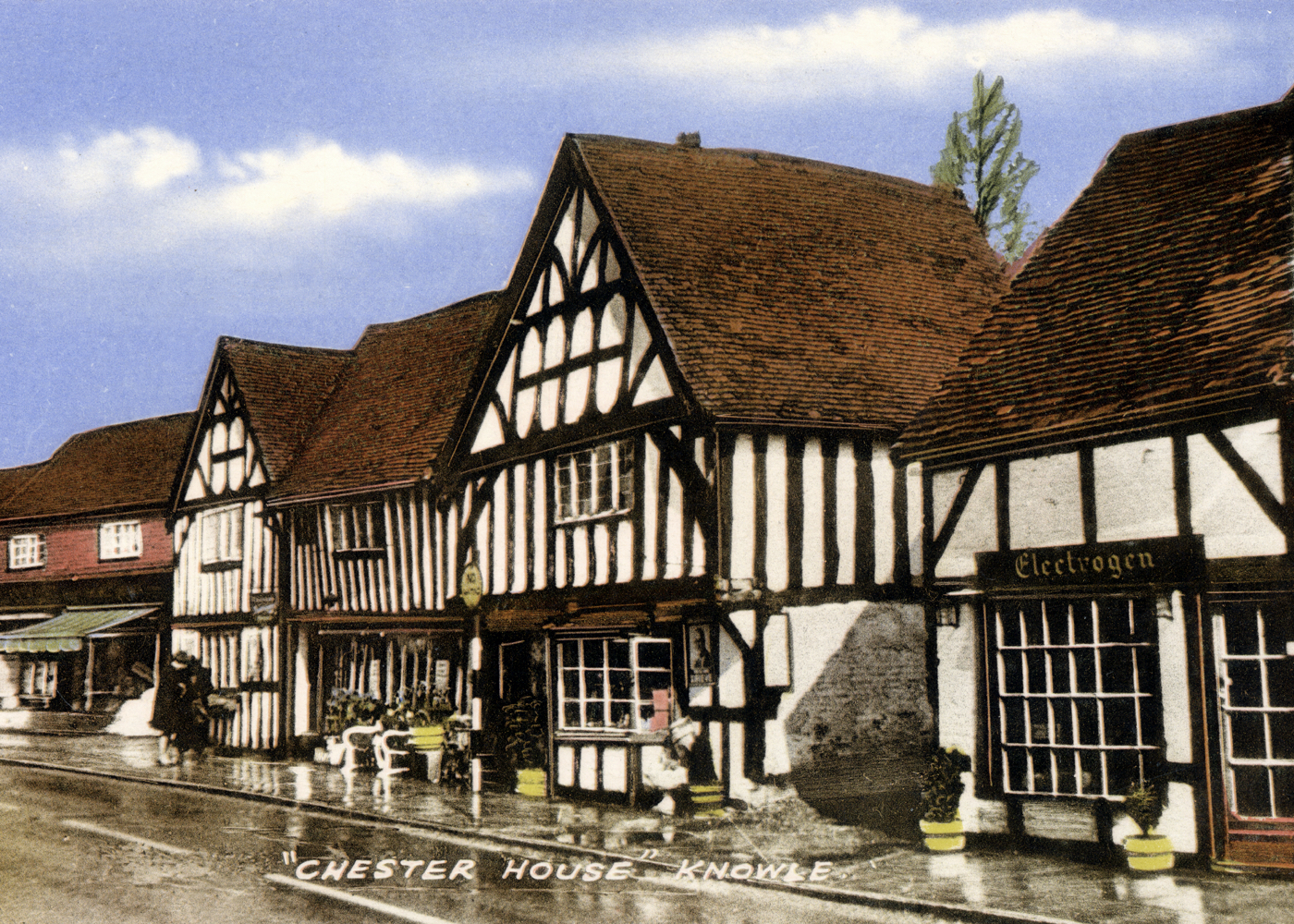
Over the centuries the building has been a farmhouse, a carrier business and an antiques shop and, on occasions, simply a home.
The owner of the antique shop was Mr Pickering. He always put a curious collection of goods on the footpath for passers-by to browse. If the local children hovered too close to the goods Mr Pickering would rush out of the shop in ‘rather a rage’ – by some accounts, he was a rather sombre character.
The car park behind Chester House was built on land that was owned by the Pickering Family. Named Pickering’s field by the locals it was an attractive playground for village children.
Residents of Chester House
Residents and/or owners of the property include Thomas Aston in 1801. Jonathan Kimbell and the Kimbell family lived there from 1814. The nearby Kimbells walk is named after the Kimbell Family, a significant family of directors, shopkeepers and businessmen across several centuries. The Tithe Apportionment describes Chester House as ‘garden, house and yard, the area 38 porches: 2 pence paid in full by the landowner, Jonathan Kimble and occupier Charles Kimbell.
Henry Blundell lived at Chester House around 1910 followed by Albert Pickering and his son Peter in 1925.
From dilapidation to community hub
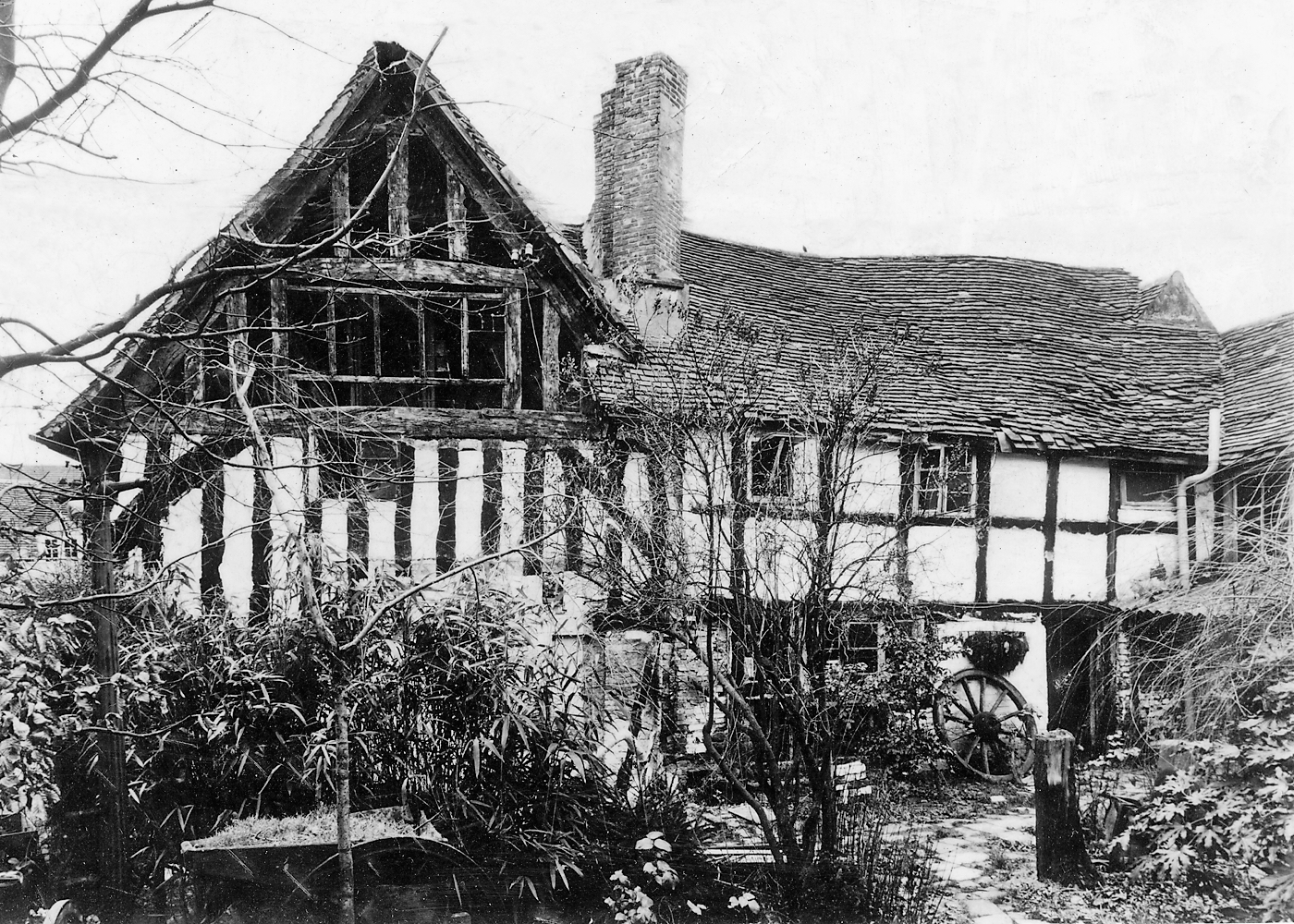
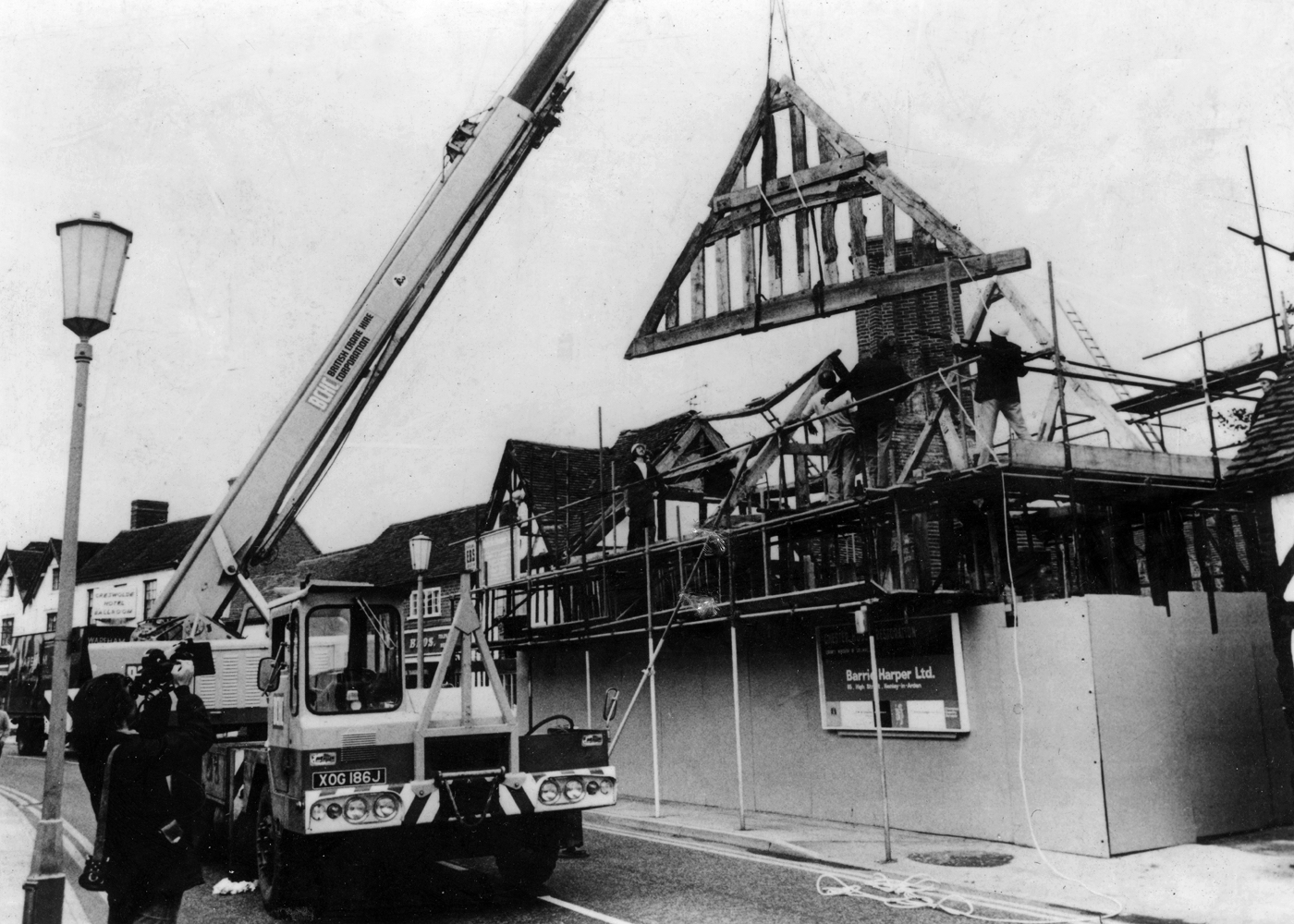
Chester House fell into disrepair in the 1960s but was then bought and restored by Solihull Council between 1972-1975. Chester House opened as Knowle library in 1975. Since 1988, it has also housed the Knowle Society Local History Archive and you can see displays created by volunteers of the society upstairs. The Knot Garden at the rear of the library, which opened in 1989, is a copy of a traditional Elizabethan garden.
21st Century
Chester House continues to be used as a library and during 2025 restoration work including major renovations to the roof took place.
Distinguishing Features
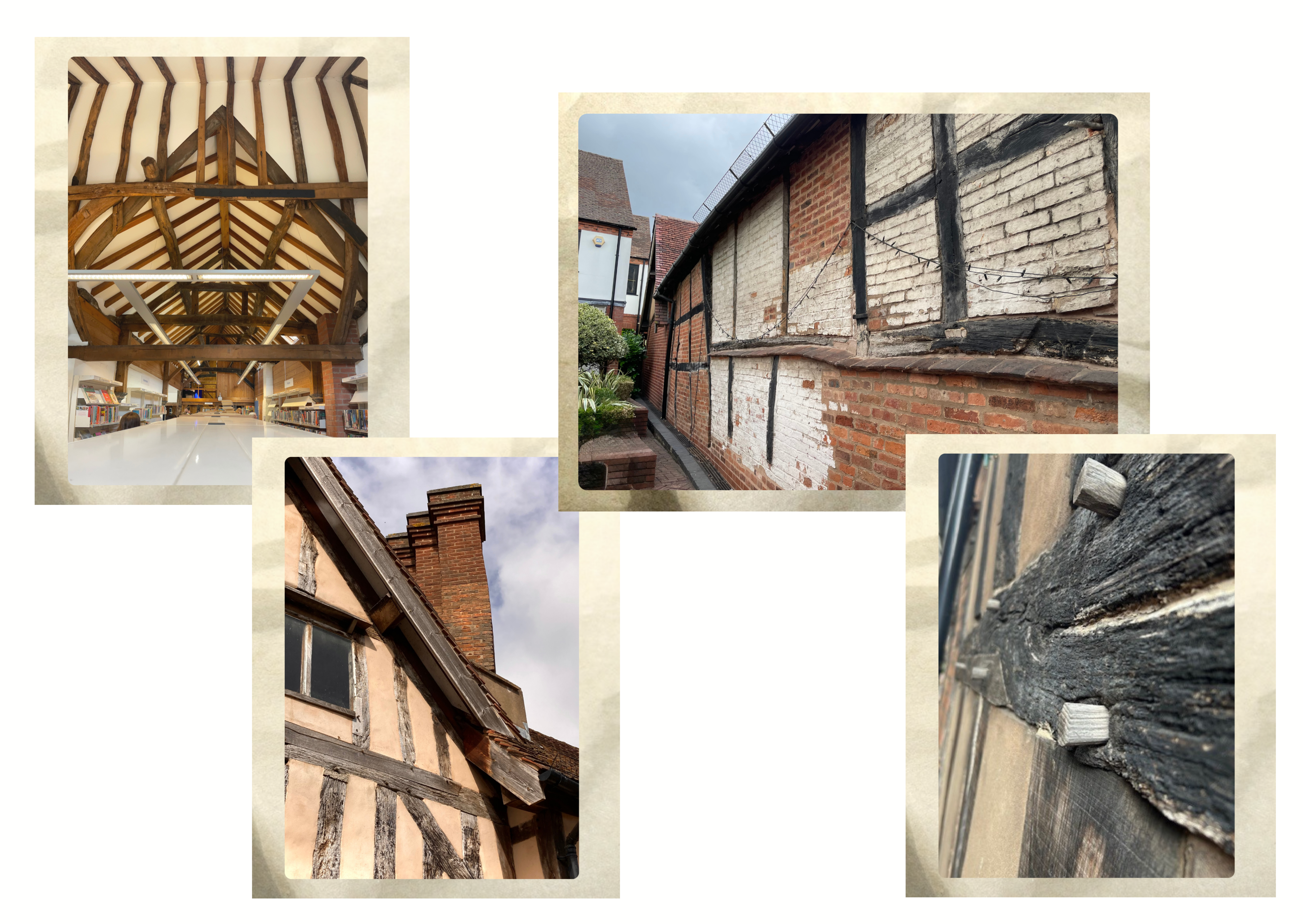
- The original centuries old timber framework
- The wooden pegs joining the timbers
- Knowle Society’s Archives and Heritage Displays upstairs (during opening hours)
- The Knot Garden at the Rear of the Library
- The Carved Owl overlooking the knot garden, created from the tree trunk that once stood by the library entrance
- The sign for The Men’s Institute is upstairs with Knowle Society’s archives
- The original centuries old timber framework
- The wooden pegs joining the timbers
Timeline
- 1400s: South Wing of Chester House built
- 1500s: North wing of Chester House built
- 1600s: North and south wing joined together with the central frontage
- 1839: The Tithe Apportionment describes Chester House as ‘garden, house and yard, the area 38 porches: 2 pence paid in full by the landowner, Jonathan Kimble and occupier Charles Kimbell
- 1881: The name Chester House first appeared in 1881
- 1900s: Cream rendering removed to reveal once again the timber framework
- 1960s: Chester house fell into disrepair
- 1972: Chester House purchased by Solihull Council
- 1975: Chester House opened as Knowle library
- 1988: The Knowle Society created the local history archive
- 1989: Knot Garden opened
- 2000s: The library now acts as a community hub and a meeting place for many groups
- 2025: The entire roof repaired by Solihull Council
Image Gallery
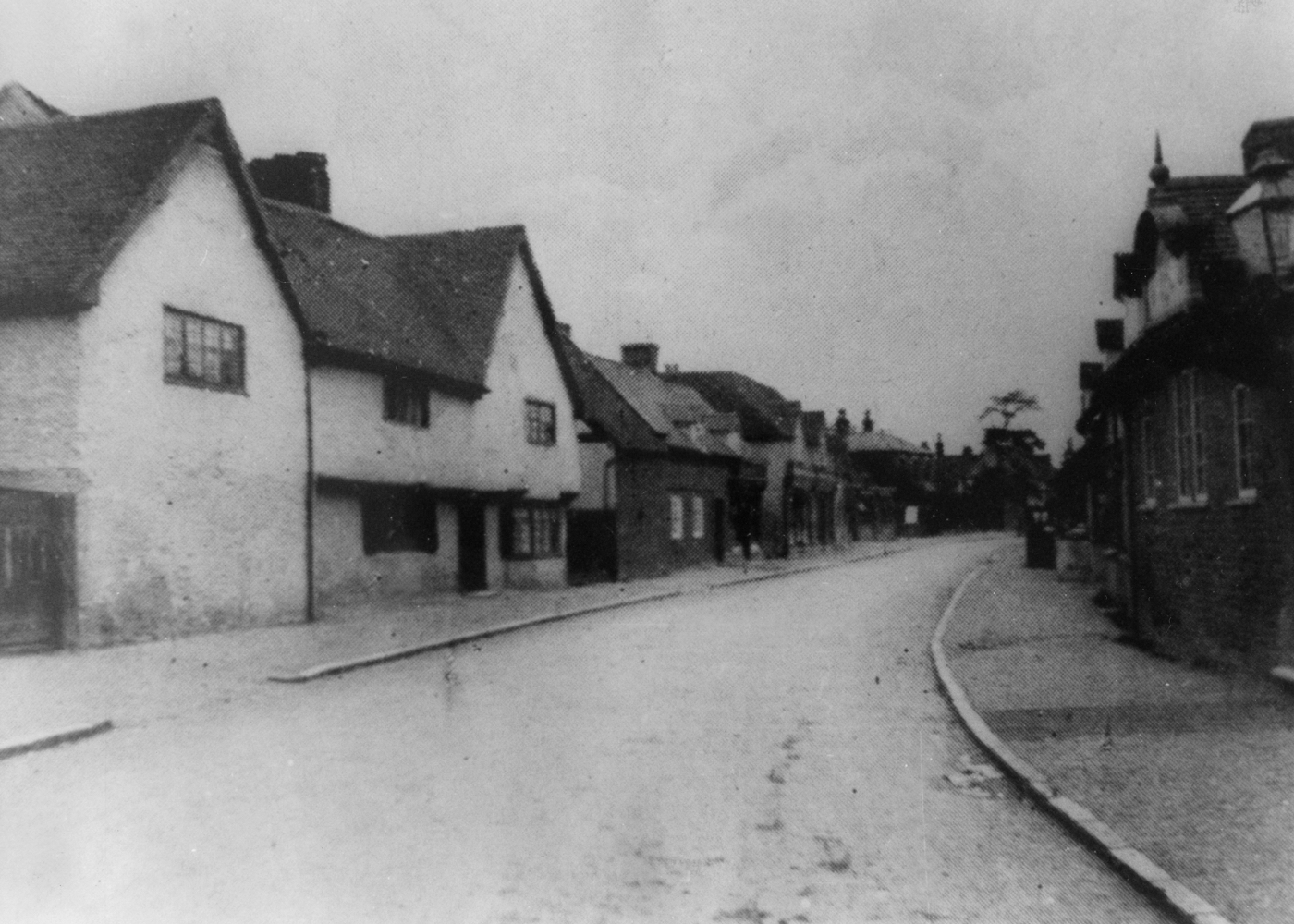
You will be able to see more images of Knowle in the Local History Centre located upstairs in Knowle Library.
Explore the Trail
There are twelve buildings to explore on this trail.
The small print
While every effort has been made to ensure the accuracy of the information presented on this heritage trail, details may be subject to change or interpretation. To the best of our knowledge, all content is correct at the time of publication. We accept no responsibility for any errors, omissions, or changes that may have occurred since.